
- This topic is empty.
-
AuthorPosts
-
2026-09-22 at 6:17 pm #12759
As essential connection components in industrial pipeline systems, fluorine-lined pipe fittings—including elbows, tees, valves, and flanges—combine the mechanical strength of metal with the excellent corrosion resistance of fluoropolymers. This structure provides reliable protection against corrosion and leakage, particularly at pipeline connection points exposed to aggressive chemical media. The following sections outline their construction, major benefits, applications, maintenance requirements, and future development trends.
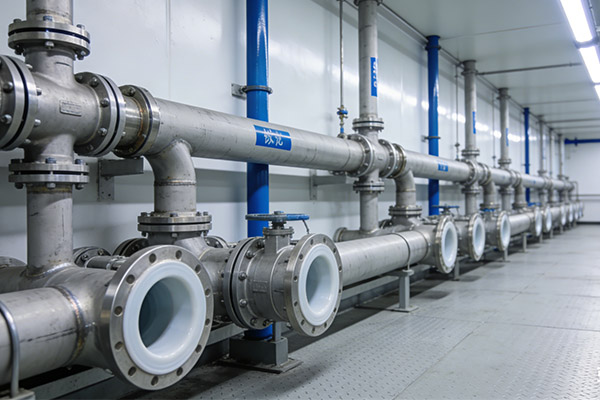
I. Core Technology and Structural Design
A typical fluorine-lined pipe fitting consists of a metal outer body and a corrosion-resistant fluoropolymer lining. The main technologies involved include the following:
Lining Materials: PTFE is widely used because it offers excellent resistance to a broad range of corrosive chemicals and can generally operate between -200°C and 260°C. PFA provides high purity, transparency, and temperature resistance up to approximately 260°C, while FEP offers good flexibility and can be used in temperatures ranging from -200°C to 200°C.
Manufacturing Processes: Different forming methods are selected according to the fitting's size and structure. Molding is commonly applied to small and medium-sized fittings, while winding and sintering are suitable for larger or more complicated components. Spray coating can be used on irregular surfaces, such as certain valve components.
Structural Configuration: The external shell is normally manufactured from carbon steel or stainless steel and can be designed for pressure ratings of approximately PN0.6–2.5 MPa. A firmly secured lining and integrated fluoropolymer sealing structure help reduce the risk of lining separation, chemical penetration, and leakage.
II. Main Performance Advantages
Excellent Chemical Resistance: Fluoropolymer linings can withstand a wide range of aggressive substances, including strong acids such as sulfuric and hydrofluoric acid, alkaline solutions, and many organic solvents.
Broad Temperature Range: Depending on the selected lining material, fluorine-lined fittings can maintain stable performance across temperatures from approximately -200°C to 260°C, making them suitable for many demanding industrial processes.
Reduced Flow Resistance: The relatively smooth surface of the fluoropolymer lining, with a friction coefficient of around 0.04, helps reduce pressure losses and limits the accumulation of deposits inside the pipeline.
Extended Service Life: Under suitable operating conditions, fluorine-lined fittings can provide a service life of roughly 5–10 years. In corrosive applications, this may significantly exceed the service life of conventional metal fittings, while also offering an economical alternative to more expensive corrosion-resistant alloys.
III. Common Industrial Applications
Chemical Processing: Fluorine-lined fittings are widely used in acid and alkali production, chemical reactors, and industrial waste treatment systems where highly corrosive substances are transported.
Pharmaceutical and Food Processing: Their corrosion-resistant and low-contamination characteristics make them suitable for conveying solvents, chemical reagents, and certain food-grade media in controlled production environments.
Environmental Protection: Applications include wastewater treatment, flue gas desulfurization, and processes involving the recovery or treatment of heavy metals and other corrosive substances.
Metallurgy and Mining: Mineral processing, hydrometallurgy, and smelting operations often involve acidic or alkaline leach solutions, making corrosion-resistant lined fittings particularly useful.
Electronics and Semiconductor Manufacturing: Fluorine-lined components can be applied to high-purity chemical delivery systems, ultrapure water systems, and other applications where media purity and corrosion protection are both important.
IV. Essential Maintenance Requirements
Proper Installation: During installation, fittings should be handled carefully to prevent impact damage to the lining. When connecting flanges, bolts should be tightened gradually in a uniform diagonal sequence to achieve balanced sealing pressure.
Controlled Operating Conditions: The pipeline should remain within the specified pressure and temperature limits. For systems designed around the stated specifications, operating pressure should not exceed 2.5 MPa and temperature should remain below 260°C.
Regular Inspection: Operators should conduct routine leakage inspections, with monthly checks recommended for early detection of abnormal conditions. The integrity of the fluoropolymer lining should also be evaluated at least once a year.
Appropriate Cleaning: Cleaning procedures should use compatible inert solvents, such as ethanol, when applicable. Hard metal tools or scrapers should be avoided because they may scratch or damage the protective lining.
V. Emerging Industry Trends
Enhanced Lining Materials: To improve wear resistance in applications involving abrasive media, manufacturers are developing modified fluoropolymer materials, including PTFE reinforced with carbon fiber or glass fiber.
Smart Monitoring: The integration of sensors into lined fittings and pipeline systems is becoming an area of interest. These technologies can support real-time monitoring of operating conditions, leakage, and equipment integrity.
Customized Designs: Demand is also increasing for oversized fittings, including components for pipelines with diameters of DN3000 mm or larger, as well as fittings with special angles and customized configurations for complex pipeline layouts.
Fluorine-lined pipe fittings provide a practical combination of mechanical strength and chemical resistance. By protecting critical pipeline connection points from aggressive media, they can help reduce corrosion, leakage, maintenance requirements, and unplanned downtime. With continued improvements in lining materials, intelligent monitoring, and customized manufacturing, fluorine-lined fittings are expected to remain an important solution for corrosion-resistant industrial pipeline systems.
http://www.mingfuptfeequip.com
Dongyang Kanghua Mingfu Chemical Equipment Co., Ltd. -
AuthorPosts

- You must be logged in to reply to this topic.