
- This topic is empty.
-
AuthorPosts
-
2026-05-11 at 3:16 pm #11400
Creating a quiet, productive, and comfortable workspace has become a major priority for modern businesses. Whether you operate an open-plan office, a conference room, a coworking space, or a home office, controlling unwanted noise is essential for improving communication and employee focus. This is why more companies are investing in office acoustic panels to optimize their indoor sound environment.
However, one of the most common questions businesses ask is: How many acoustic panels does your office really need?
The answer is not always straightforward. Installing too few panels may leave your office noisy and full of echo, while installing too many can lead to unnecessary costs and an overly “dead” acoustic environment. The ideal number depends on several important factors, including room size, ceiling height, office layout, materials, and the type of activities taking place in the space.
In this comprehensive guide, we’ll explain how to estimate the right number of acoustic panels for your office and how to achieve the perfect balance between sound control, comfort, and design.
Why Acoustic Panels Matter in Modern Offices
Before calculating panel quantities, it’s important to understand why acoustic treatment matters.
Modern offices often feature:
-
Open layouts
-
Glass partitions
-
Concrete walls
-
Minimalist interiors
-
Hard flooring surfaces
While visually appealing, these materials reflect sound waves, causing:
-
Echo
-
Reverberation
-
Speech overlap
-
Reduced concentration
-
Employee fatigue
Office acoustic panels help absorb excess sound energy, improving speech clarity and reducing overall noise levels.
A properly treated workspace can enhance:
-
Employee productivity
-
Meeting quality
-
Privacy
-
Customer communication
-
Workplace comfort
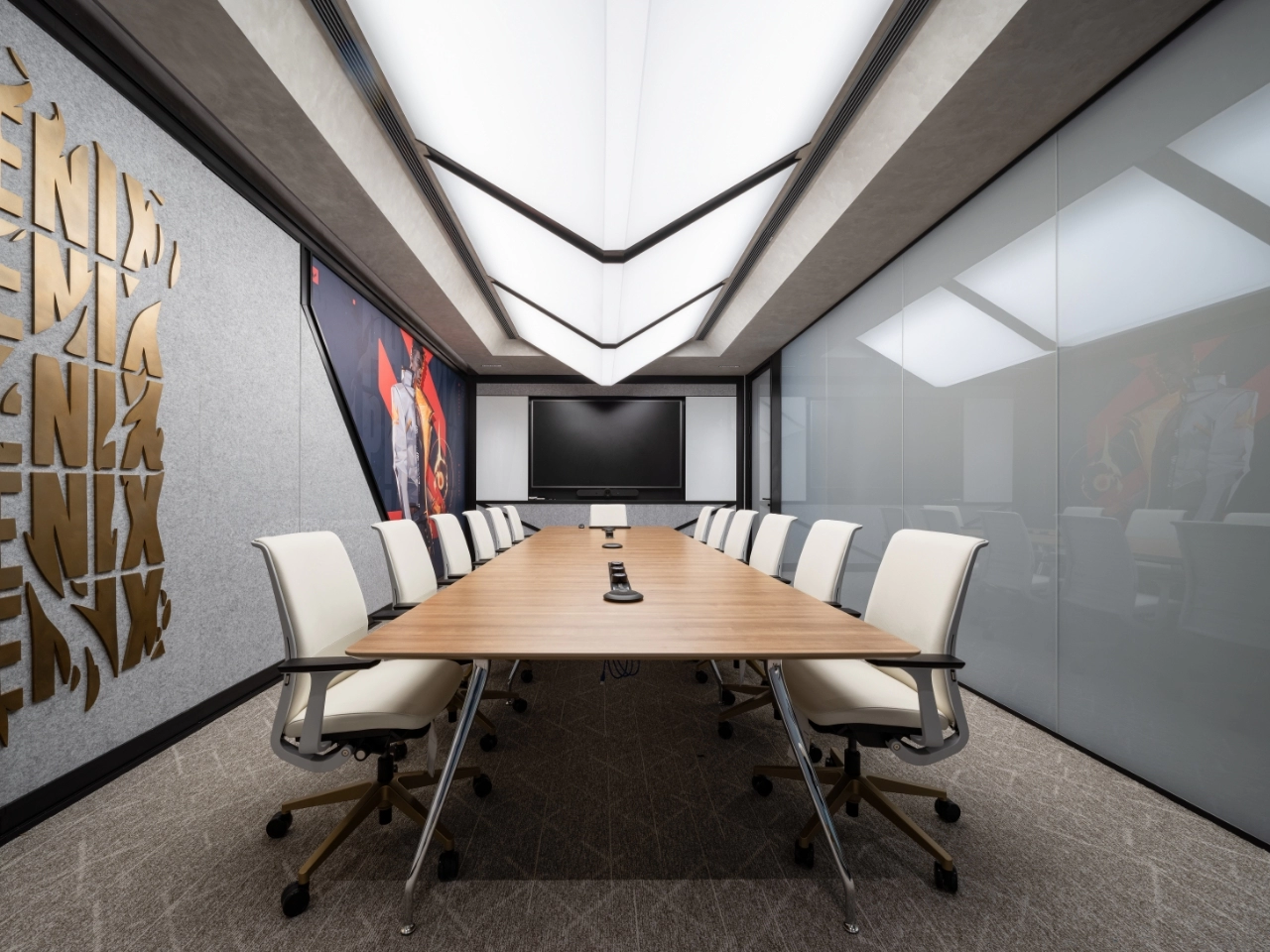
Understanding How Acoustic Panels Work
Acoustic panels are designed to absorb reflected sound waves rather than block sound entirely.
When sound travels through a room, it bounces off hard surfaces. These reflections create reverberation, making spaces feel louder and more chaotic.
Sound absorbing panels for offices reduce these reflections by converting sound energy into small amounts of heat through porous materials.
However, acoustic panels are not soundproofing products. They improve interior sound quality rather than stop sound transmission between rooms.
The Biggest Mistake: Guessing the Number of Panels
Many businesses install acoustic panels based only on appearance or budget. Unfortunately, this often leads to poor acoustic performance.
Common Mistakes:
-
Installing only decorative panels
-
Covering too little wall area
-
Ignoring ceiling reflections
-
Treating only one side of the room
-
Choosing panel quantity without acoustic analysis
The result is usually disappointing noise reduction.
To determine how many panels your office truly needs, you should evaluate the following factors.
1. Room Size and Volume
The most important factor is the size of the office.
Larger spaces naturally require more acoustic treatment because sound has more room to travel and reflect.
Key Measurements:
-
Room length
-
Room width
-
Ceiling height
Together, these determine the room’s total volume and acoustic behavior.
Example:
A small private office may only need a few wall-mounted acoustic panels, while a large open workspace may require extensive wall and ceiling coverage.
2. Office Layout Type
Different office layouts create different acoustic challenges.
Open-Plan Offices
Open-plan environments typically need the most acoustic treatment because:
-
Conversations spread easily
-
There are fewer physical barriers
-
Multiple sound sources exist simultaneously
In these environments, businesses often use:
-
Office wall acoustic panels
-
Hanging ceiling baffles
-
Acoustic desk dividers
-
Sound masking systems
Private Offices
Private offices generally require fewer panels because enclosed walls naturally reduce sound spread.
Conference Rooms
Meeting rooms need balanced acoustics to improve speech intelligibility and video conferencing quality.
3. Ceiling Height Matters
High ceilings increase reverberation time because sound waves travel farther before being absorbed.
Low Ceilings:
May require moderate wall treatment.
High Ceilings:
Often need:
-
Suspended acoustic clouds
-
Ceiling baffles
-
Additional upper-wall treatment
Ignoring ceiling acoustics is one of the biggest reasons offices remain noisy even after installing acoustic panels.
4. Surface Materials in the Office
The more reflective your office surfaces are, the more acoustic panels you will need.
Highly Reflective Materials:
-
Glass walls
-
Concrete floors
-
Metal furniture
-
Marble surfaces
These materials reflect sound aggressively, increasing echo and background noise.
Soft Materials Reduce the Need:
-
Carpets
-
Curtains
-
Upholstered seating
-
Fabric partitions
A room with many soft furnishings may need fewer acoustic panels than a minimalist office with hard surfaces.
5. Noise Level and Office Activity
Not every office generates the same amount of noise.
High-Noise Environments:
-
Call centers
-
Sales offices
-
Collaborative workspaces
-
Customer support departments
These spaces typically require more extensive acoustic treatment.
Lower-Noise Environments:
-
Executive offices
-
Research spaces
-
Small meeting rooms
These may need fewer panels.
The louder and more active the office, the greater the required sound absorption.
6. Recommended Acoustic Coverage Percentage
A common industry guideline is to cover approximately 20% to 40% of the room’s surface area with acoustic treatment.
This includes:
-
Walls
-
Ceilings
-
Partition systems
Light Acoustic Treatment:
20% coverage
Suitable for:-
Small offices
-
Moderate noise environments
Medium Acoustic Treatment:
25–35% coverage
Ideal for:-
Conference rooms
-
Shared offices
-
Hybrid workspaces
Heavy Acoustic Treatment:
40% or more
Recommended for:-
Open-plan offices
-
High-noise commercial spaces
-
Call centers
7. Calculating Acoustic Panel Needs
Here’s a simplified method for estimating panel quantity.
Step 1: Measure Wall and Ceiling Area
Example room:
-
Length: 10 meters
-
Width: 8 meters
-
Height: 3 meters
Wall Area:
(10 × 3 × 2) + (8 × 3 × 2) = 108 m²
Ceiling Area:
10 × 8 = 80 m²
Total Surface Area:
188 m²
Step 2: Determine Coverage Goal
For moderate acoustic treatment:
-
Target 30% coverage
188 × 0.30 = 56.4 m²
This means approximately 56 square meters of acoustic treatment are recommended.
Step 3: Convert to Panel Quantity
If each acoustic panel covers 1 square meter:
You would need approximately:
56 acoustic panelsOf course, panel sizes vary, so actual quantities depend on product dimensions.
8. Wall Panels vs Ceiling Panels
Many offices rely only on wall-mounted panels, but combining wall and ceiling treatment delivers better results.
Wall Acoustic Panels
Best for:
-
Speech reflections
-
Side-wall echo control
-
Meeting rooms
Ceiling Acoustic Panels
Best for:
-
Open offices
-
Large spaces
-
High ceilings
A balanced combination often reduces the total number of panels required while improving performance.
9. Don’t Over-Treat the Space
Surprisingly, too many acoustic panels can also create problems.
Over-absorbed rooms may feel:
-
Unnaturally quiet
-
Acoustically “dead”
-
Uncomfortable for conversation
The goal is balance—not silence.
A professional acoustic design should maintain:
-
Speech clarity
-
Comfortable ambiance
-
Natural sound behavior
10. Decorative Acoustic Panels vs High-Performance Panels
Some decorative panels prioritize appearance over acoustic efficiency.
When selecting commercial office acoustic panels, always check:
-
NRC rating (Noise Reduction Coefficient)
-
Material density
-
Frequency absorption performance
Higher-performance panels may reduce the total quantity needed.
11. Why Professional Acoustic Assessment Matters
While general formulas are useful, every office is unique.
Professional acoustic consultants use:
-
Reverberation measurements
-
Sound mapping
-
Frequency analysis
This helps determine:
-
Optimal panel quantity
-
Ideal placement
-
Appropriate panel types
For large commercial spaces, professional planning often saves money and improves long-term results.
12. Combining Acoustic Panels with Other Solutions
Acoustic panels work best when combined with additional noise-control strategies.
Effective Additions:
-
Acoustic ceiling systems
-
Carpeting
-
Sound masking technology
-
Acoustic partitions
-
Furniture layout optimization
Together, these create a more balanced acoustic environment.
Signs Your Office Needs More Acoustic Panels
You may need additional acoustic treatment if employees frequently complain about:
-
Echo during meetings
-
Difficulty concentrating
-
Poor speech clarity
-
Excessive background chatter
-
Fatigue from constant noise
These are strong indicators that your current acoustic coverage is insufficient.
Final Thoughts
So, how many acoustic panels does your office really need?
The answer depends on multiple factors, including room size, ceiling height, office layout, surface materials, and workplace activity levels. While the general recommendation is to treat 20–40% of your space, achieving optimal acoustic performance requires thoughtful planning and strategic placement.
Instead of viewing acoustic panels as simple decorative additions, businesses should treat them as part of a complete workplace acoustic strategy.
With the right balance of wall panels, ceiling treatments, and supporting acoustic solutions, you can create a quieter, more productive office that supports communication, concentration, and employee well-being.
Investing in proper acoustic treatment is not just about reducing noise—it’s about improving the overall quality of the workplace experience.
https://www.roydaacoustic.com/news/how-many-acoustic-panels-does-your-office-really-need.html
roydaacoustic -
-
AuthorPosts

- You must be logged in to reply to this topic.