
- This topic is empty.
-
AuthorPosts
-
2026-10-30 at 5:44 pm #13166
Elevators play an indispensable role in modern buildings, providing convenient and efficient transportation between floors. However, ensuring a comfortable ride involves much more than simply moving an elevator car up and down. Behind every dependable system is a combination of advanced mechanical components, intelligent control technologies, and carefully designed safety mechanisms. Whether installed in apartment buildings, office towers, hospitals, or hotels, passenger elevators must incorporate reliable protection features to safeguard passengers throughout daily operation.
For property developers, building owners, and facility managers, understanding these safety technologies is essential when evaluating elevator products. Choosing a manufacturer with strong engineering capabilities and comprehensive service support can also make a significant difference in long-term operational reliability.
FUJI Elevator (Huzhou) Co., Ltd. is one example of an integrated elevator manufacturer based in Huzhou, Zhejiang Province, China. The company specializes in elevator research and development, product design, manufacturing, sales, installation, and maintenance. Supported by modern production facilities, advanced testing equipment, and quality management procedures, it offers various vertical transportation products, including passenger elevators, residential elevators, panoramic elevators, villa elevators, medical elevators, freight elevators, car elevators, escalators, and moving walkways.
Following its philosophy of "rooted in China, serving the world," FUJI Elevator provides comprehensive customer support through a 24-hour service system, covering project consultation, installation coordination, and after-sales maintenance.
1. Advanced Braking Technology for Reliable Stopping Performance
An elevator's braking mechanism is one of the most important elements in its overall safety design. It must ensure that the car stops accurately during routine operation while also providing dependable protection when unexpected situations occur.
Most modern elevator systems employ electromagnetic brakes that automatically engage when the power supply is interrupted. This design helps keep the elevator stationary and prevents unintended movement when electrical power is unavailable. Depending on the system design and applicable safety requirements, additional braking protection may also be incorporated to improve operational redundancy.
For elevators operating in busy commercial buildings or residential complexes, braking components must maintain stable performance despite frequent starts and stops. Manufacturers such as FUJI Elevator focus on component precision and system reliability to support consistent elevator operation.
2. Overspeed Governors and Emergency Safety Gear
Preventing uncontrolled elevator movement is another fundamental aspect of passenger protection. The overspeed governor is specifically designed to monitor the elevator car's operating speed and respond when it exceeds the permitted limit.
If excessive speed is detected, the governor activates the associated safety gear. This mechanism engages with the guide rails to slow down and stop the elevator car in a controlled manner, helping prevent dangerous movement.
Although serious overspeed incidents are uncommon in properly maintained elevators, this protection remains essential. Routine inspections, functional testing, and accurate adjustment of the governor and safety gear help ensure that these devices remain ready to operate when required.
Working with an experienced elevator manufacturer and qualified maintenance professionals helps building operators maintain these critical safety components throughout the equipment's service life.
3. Intelligent Elevator Door Protection
Elevator doors are used repeatedly throughout the day, making their safe operation particularly important. Accidental contact between closing doors and passengers can result in injuries, especially when children, elderly people, or individuals with mobility limitations are using the elevator.
To reduce these risks, contemporary passenger elevators incorporate various door detection technologies. Infrared light curtains and photoelectric sensors can identify passengers or objects within the doorway area and signal the door system to reopen instead of continuing to close.
Modern door operators also regulate opening and closing movements to provide smoother operation and reduce excessive force. These technologies improve passenger convenience while minimizing the possibility of door-related accidents.
For buildings with considerable passenger traffic, reliable door protection is especially valuable because it supports safer boarding and exiting during busy periods.
4. Emergency Communication and Passenger Assistance
A sudden technical malfunction or power interruption may occasionally leave passengers temporarily unable to exit an elevator. Under these circumstances, an effective communication system becomes essential.
Modern passenger elevators generally feature emergency telephones or two-way intercom devices that allow trapped passengers to contact building personnel or designated rescue services. Depending on the configuration, communication may also be supported by GSM modules or network-based connections.
The most important requirement is that passengers can request assistance without needing to leave the elevator car. Clear communication procedures and responsive rescue arrangements help reduce anxiety and ensure that emergency situations can be handled appropriately.
FUJI Elevator's service approach emphasizes comprehensive support throughout the elevator lifecycle, helping customers address installation, operation, and maintenance requirements.
5. Emergency Power and Automatic Rescue Functions
Unexpected power interruptions should not create unnecessary risks for elevator passengers. For this reason, emergency power arrangements and automatic rescue functions are important considerations when selecting an elevator system.
Depending on the building's electrical configuration, battery-based emergency devices or standby generators may provide the power required for emergency operation. Certain systems can move the elevator car to an appropriate nearby floor and release the doors, allowing passengers to leave safely.
These functions are particularly useful in high-rise residential properties, hospitals, hotels, and large commercial developments, where passengers may depend on elevators throughout the day.
Building owners should evaluate the emergency power configuration carefully, ensuring that the selected solution is compatible with the elevator model and the building's overall emergency management plan.
6. Accurate Floor Leveling and Smooth Ride Control
Passenger safety is influenced not only by emergency protection devices but also by the elevator's everyday movement characteristics. One important example is floor leveling accuracy.
When an elevator stops above or below the landing floor, the difference in height can create a tripping hazard. This may be particularly challenging for wheelchair users, elderly passengers, and people carrying heavy items.
Modern elevator control systems use position sensors, variable frequency drives, and intelligent control algorithms to improve stopping accuracy. These technologies help regulate acceleration, travel speed, deceleration, and final positioning.
In addition to reducing the risk of uneven floor transitions, smooth movement improves passenger comfort and helps limit unnecessary mechanical stress.
FUJI Elevator incorporates intelligent control technologies into its product solutions to support stable operation, accurate positioning, and a better overall riding experience.
7. Fire Emergency and Earthquake Protection
Buildings must also consider how elevators respond to external emergencies, particularly fires and earthquakes. Appropriate protection measures depend on local building regulations, the building's classification, and the specific elevator application.
For fire emergencies, designated elevator recall functions can direct the elevator to a predetermined floor and restrict normal passenger operation. Smoke detection and fire alarm systems may be integrated with elevator controls to support coordinated emergency responses.
In earthquake-prone areas, seismic detection devices can monitor unusual building movement. When an earthquake is detected, the elevator may initiate a predefined safety procedure, such as stopping at an appropriate landing and preventing further normal operation.
These systems are important because elevators should not be treated as ordinary transportation equipment during hazardous building conditions. Proper emergency programming and regular inspection are necessary to ensure that protective functions operate as intended.
8. Strong Cabin Construction and Passenger-Friendly Interior Design
The elevator cabin itself contributes significantly to passenger safety. Its structural strength, flooring materials, lighting arrangement, and interior configuration all influence the overall user experience.
A well-designed cabin typically incorporates a durable structural framework, secure interior panels, slip-resistant flooring, and suitable handrails where appropriate. These elements help create a stable and comfortable environment for different passenger groups.
Lighting and ventilation are equally important. Adequate illumination improves visibility when passengers enter or exit, while effective ventilation helps maintain a comfortable cabin environment.
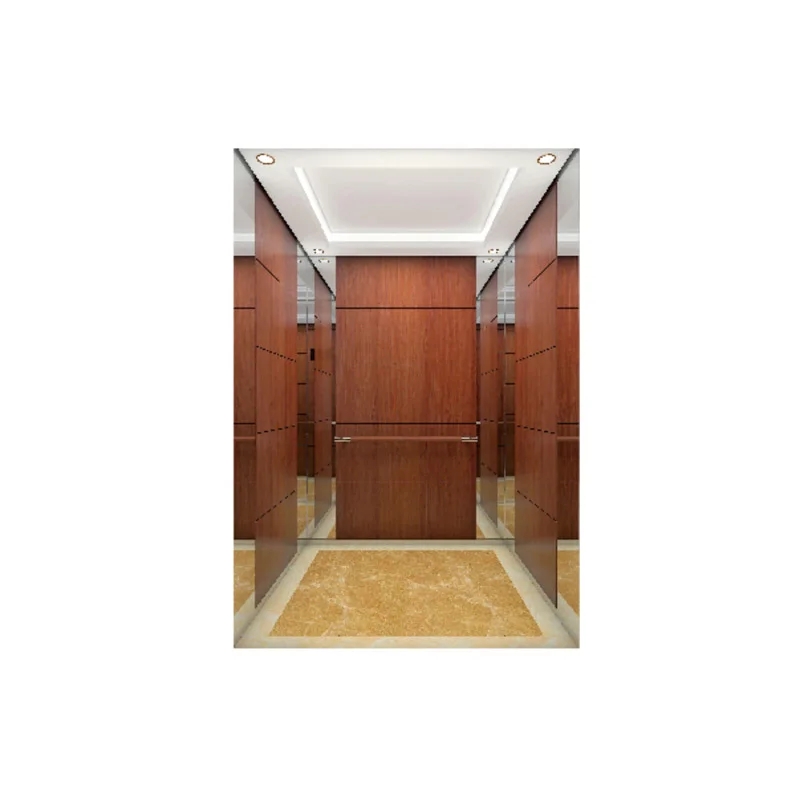
Modern elevator interiors also need to balance appearance with practical performance. For instance, FUJI Elevator car decoration solutions demonstrate how cabin materials, decorative finishes, and interior configurations can be selected to meet different architectural requirements.
By combining durable materials with thoughtful design, elevator manufacturers can create cabin environments that are attractive, functional, and suitable for long-term use.
9. Smart Monitoring and Regular Preventive Maintenance
As elevator technology continues to develop, intelligent monitoring has become an increasingly valuable tool for improving equipment reliability. Modern systems can collect operational information and identify unusual conditions that may indicate developing mechanical or electrical problems.
Depending on the monitoring configuration, relevant data may include vibration levels, operating temperatures, door movement, motor performance, and system fault records.
This information helps maintenance professionals identify potential problems before they lead to unexpected breakdowns. Instead of relying entirely on reactive repairs, building operators can adopt a more proactive maintenance strategy.
However, intelligent monitoring does not replace physical inspections or professional servicing. Regular maintenance remains necessary to check mechanical components, electrical connections, safety devices, and control systems.
FUJI Elevator emphasizes ongoing quality management and maintenance support, with its 24-hour service system designed to assist customers with operational issues and after-sales requirements.
10. Manufacturing Quality and Comprehensive Product Testing
The reliability of an elevator is strongly influenced by the quality of its manufacturing process. Even advanced safety technologies cannot deliver consistent results without accurate production, suitable materials, and effective quality inspections.
A professional manufacturing process involves multiple stages, including component selection, mechanical processing, electrical assembly, system integration, and final testing. Each stage must follow appropriate technical specifications and quality control procedures.
Elevator products also need to undergo inspections and testing relevant to their intended application and applicable regulations before being placed into service.
FUJI Elevator (Huzhou) Co., Ltd. operates with modern manufacturing equipment and comprehensive testing facilities to support product quality and production consistency. Its integrated business model covers product development, manufacturing, installation, and maintenance, allowing customers to access a broader range of elevator-related services.
For building developers and project contractors, evaluating a manufacturer's production capabilities, quality management procedures, certifications, and technical support is an important step toward selecting a dependable elevator solution.
Conclusion
Passenger elevator safety depends on multiple technologies working together, rather than relying on a single protective device. Reliable braking systems, overspeed governors, door detection sensors, emergency communication equipment, backup power arrangements, accurate leveling controls, and fire protection functions all contribute to safer vertical transportation.
Equally important are strong cabin construction, intelligent monitoring, regular preventive maintenance, and strict manufacturing quality management. These factors help ensure that elevators remain dependable throughout years of daily operation.
FUJI Elevator (Huzhou) Co., Ltd. combines elevator design, research and development, manufacturing, installation, and maintenance services to provide comprehensive vertical transportation solutions. With a diverse product portfolio, modern production capabilities, and continuous customer support, the company serves the needs of residential, commercial, medical, and other building projects.
As modern architecture becomes increasingly complex and urban buildings continue to expand vertically, choosing an elevator system with appropriate safety technologies and dependable technical support will remain essential for protecting passengers and maintaining efficient building operations.
http://www.fujidsk.com
FUJI Elevator (Huzhou) Co, Ltd. -
AuthorPosts

- You must be logged in to reply to this topic.