
- This topic is empty.
-
AuthorPosts
-
2026-08-17 at 2:59 pm #12312
As wastewater treatment capacity continues to expand across municipalities and industries, sludge management has become one of the most important challenges in environmental engineering. The increasing volume of sludge, stricter emission regulations, and rising disposal costs have pushed organizations to seek more efficient treatment technologies. Among various available solutions, the Sludge Incinerator has gained attention because it can achieve significant volume reduction, eliminate organic pollutants, and integrate energy recovery into the waste treatment process.
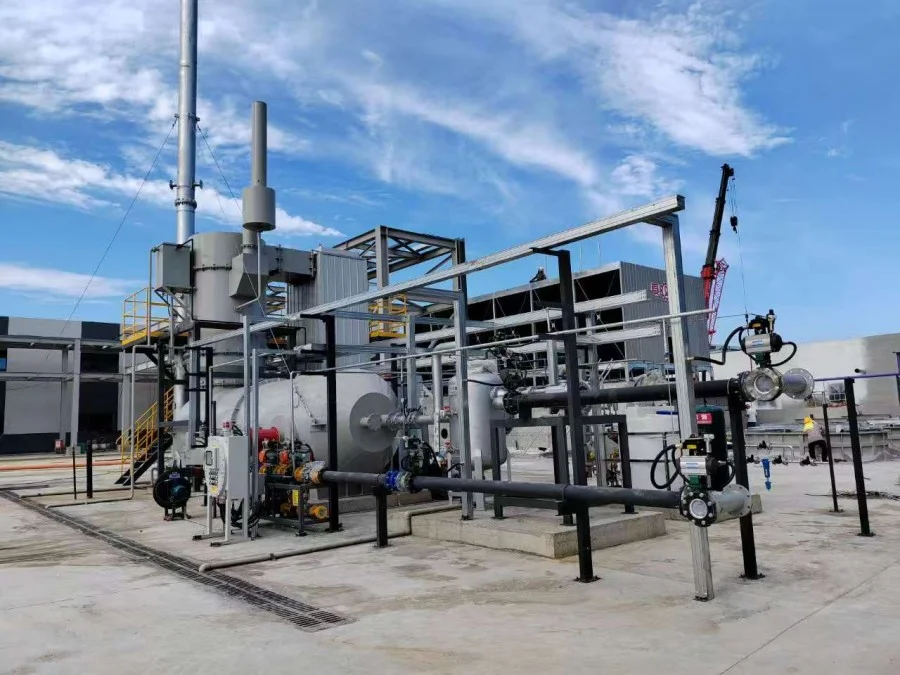
However, selecting a suitable Sludge Incinerator is not simply a matter of choosing equipment with a specific processing capacity. The actual performance of an incineration system depends on multiple technical factors, including sludge characteristics, combustion technology, thermal efficiency, emission control configuration, and long-term operating stability. A well-designed system must match the specific requirements of the project while maintaining compliance with increasingly strict environmental standards.
For industrial waste treatment projects, understanding the key engineering considerations behind Sludge Incinerator selection can help avoid operational problems, unexpected maintenance costs, and insufficient treatment performance.
Sludge Characteristics Determine Incineration System Design
Before selecting a Sludge Incinerator, understanding the physical and chemical characteristics of the sludge is the first step. Different sludge sources can vary significantly in moisture content, organic composition, ash content, calorific value, and contaminant concentration.
Municipal wastewater sludge usually contains a high percentage of water and organic materials, requiring efficient drying and stable combustion management. Industrial sludge, however, may contain chemical residues, heavy metals, solvents, or other hazardous components that require stronger combustion control and more advanced flue gas treatment.
Moisture content is one of the most influential factors affecting thermal efficiency. Sludge with excessive moisture requires more energy for evaporation before combustion can proceed effectively. If the incinerator design does not properly address moisture management, additional fuel consumption may increase operating costs significantly.
A professional Sludge Incinerator manufacturer typically evaluates factors such as:
-
Daily treatment capacity
-
Sludge moisture percentage
-
Organic matter content
-
Heating value
-
Ash characteristics
-
Contaminant composition
-
Required emission standards
These parameters determine the most suitable combustion structure, auxiliary equipment, and energy recovery configuration.
Choosing the Right Combustion Technology
Different Sludge Incinerator designs use different combustion methods, and each technology has its own application advantages. The selection should be based on treatment scale, sludge characteristics, and operational requirements.
Fluidized bed incinerators are widely used in many sludge treatment applications because they provide strong mixing between sludge particles and hot air. This improves heat transfer efficiency and helps maintain uniform combustion conditions. Their ability to operate at relatively stable temperatures makes them suitable for continuous sludge treatment operations.
Rotary kiln incinerators are commonly selected for more complex waste streams because they provide strong adaptability to different materials. The rotating structure improves material movement and allows longer residence time, making them suitable for industrial sludge containing difficult-to-treat organic components or hazardous substances.
For facilities handling mixed waste streams, including sludge combined with industrial waste or hazardous materials, flexible thermal treatment systems can provide better operational advantages.
The ideal combustion technology should achieve a balance between:
Stable temperature control.
Complete oxidation of organic components.
Low auxiliary fuel consumption.
Reliable operation under variable feed conditions.
Reduced equipment wear.
Temperature and Residence Time Affect Treatment Efficiency
The core purpose of a Sludge Incinerator is to achieve complete thermal decomposition while controlling pollutant formation. This requires accurate management of combustion parameters.
In most applications, the primary combustion zone operates within approximately 850°C to 1000°C, depending on sludge composition and regulatory requirements. Maintaining sufficient temperature ensures the breakdown of organic pollutants, while proper residence time allows combustion reactions to proceed completely.
Residence time is particularly important when treating complex sludge containing persistent organic compounds. If waste passes through the combustion chamber too quickly, incomplete oxidation may occur, increasing carbon monoxide levels and reducing treatment efficiency.
Modern systems improve combustion performance through:
Optimized air distribution.
Automatic oxygen regulation.
Real-time temperature monitoring.
Intelligent combustion adjustment.
Secondary combustion chambers.
These technologies help maintain stable operating conditions even when sludge properties fluctuate.
Emission Control Technology Is a Critical Evaluation Factor
Environmental compliance is one of the most important considerations when investing in a Sludge Incinerator. Modern regulations require treatment facilities to control various pollutants generated during combustion.
The combustion process may produce:
Particulate matter.
Nitrogen oxides (NOx).
Sulfur oxides.
Hydrogen chloride.
Heavy metals.
Dioxins and furans.
Therefore, a complete incineration system must include suitable flue gas purification equipment after combustion.
A typical emission control configuration may combine multiple treatment stages. Dust collectors remove solid particles from exhaust gas, while chemical absorption systems neutralize acidic gases. Activated carbon systems are often used to capture dioxins, mercury, and other trace pollutants. For applications requiring strict NOx control, technologies such as SNCR or SCR can be integrated.
The correct emission treatment configuration depends on waste composition and local environmental regulations. A system designed without considering actual pollutants may struggle to meet compliance requirements even if the combustion chamber itself performs well.
Heat Recovery Improves Overall System Economics
A major advantage of modern sludge incineration technology is the ability to recover thermal energy generated during combustion. Instead of releasing waste heat directly into the atmosphere, advanced systems capture and reuse this energy to improve overall efficiency.
Heat recovery equipment can be integrated for applications such as:
Sludge pre-drying.
Steam production.
Industrial heating.
Energy conversion systems.
The effectiveness of heat recovery depends on factors such as exhaust temperature, system configuration, and continuous operating conditions.
For large-scale sludge treatment facilities, recovered heat can significantly reduce auxiliary fuel demand. This is particularly important because energy consumption represents one of the largest operating expenses in thermal treatment projects.
A well-designed Sludge Incinerator should therefore be evaluated not only by its waste reduction capability but also by its ability to optimize energy utilization throughout the entire process.
Equipment Reliability Determines Long-Term Operating Costs
A Sludge Incinerator operates under extreme conditions involving high temperatures, corrosive gases, and continuous mechanical stress. Equipment reliability directly affects maintenance requirements, downtime, and overall project profitability.
Important structural considerations include:
High-temperature resistant furnace materials.
Corrosion-resistant components.
Reliable feeding systems.
Stable ash discharge mechanisms.
Automated monitoring systems.
Durable heat exchange equipment.
Poorly designed equipment may experience issues such as refractory damage, unstable feeding, excessive fuel consumption, or frequent shutdowns. These problems can significantly increase operating costs over the equipment lifecycle.
Manufacturers with experience in thermal waste treatment understand that reliable performance requires coordination between combustion design, material selection, control systems, and maintenance planning.
Customized Solutions Improve Treatment Results
Because sludge properties vary greatly between industries and regions, standardized equipment may not always provide the best solution. Customized system design allows the incinerator to match actual project conditions.
Aoli Environmental Protection Technology Co., Ltd. specializes in the development and manufacturing of thermal treatment equipment for different waste applications. Its product range covers medical waste incinerators, hazardous waste rotary kiln incinerators, waste liquid incinerators, organic waste gas incinerators, regenerative thermal oxidizers (RTO), and heat recovery systems.
By
http://www.jsalfsl.com
Jiangsu Aoli Environmental Protection Technology Co., Ltd. -
-
AuthorPosts

- You must be logged in to reply to this topic.