
- This topic is empty.
-
AuthorPosts
-
2026-08-19 at 1:57 pm #12345
“Standalone” is the word that matters in this enquiry, and it is used loosely enough to be worth defining before comparing suppliers. A standalone charging unit delivers DC charging without a permanent grid connection at the point of use, because it carries its own stored energy. What it does not do is create energy, so the question that follows immediately is where that stored energy is replenished. MPMC POWERTECH CORP., established in 2008 and headquartered in Shanghai Pudong, publishes a BCH range combining an LFP battery system, DC charging modules, an EMS and a mobile chassis in one unit, with rated DC output listed from 80 kW to 600 kW and storage from 70 kWh to 1,075 kWh.
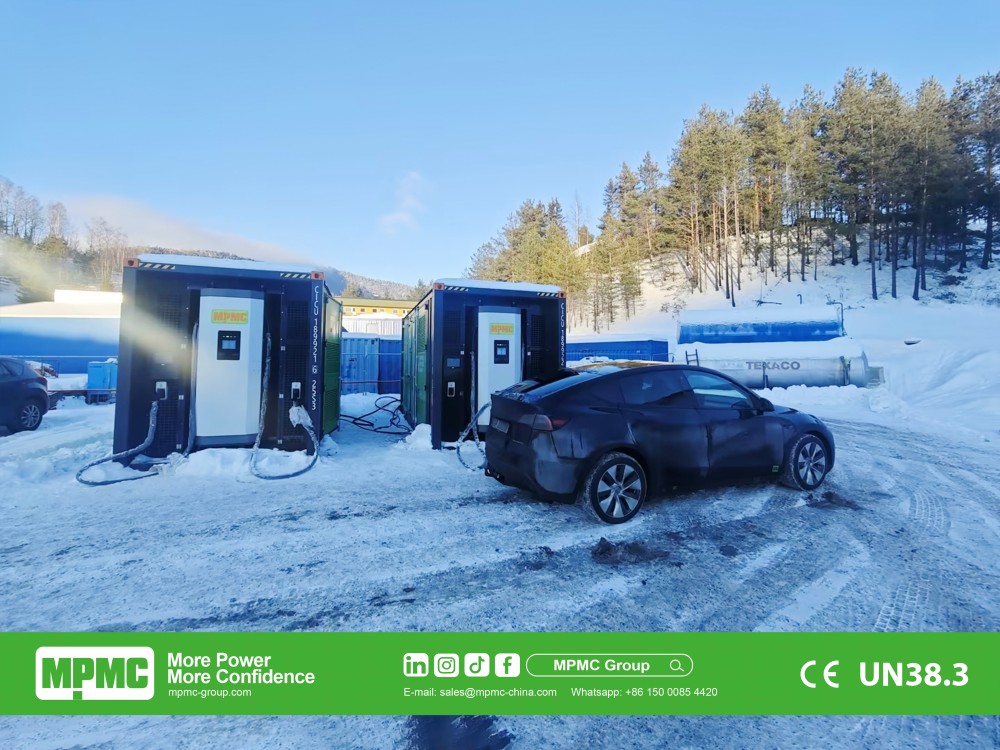
MPMC BCH Series mobile BESS charger
Degrees of Independence, Not a Single Property
Fleet operators encounter three different situations described by the same word, and each implies a different recharge arrangement.
Situation
What independence means here
Recharge route to confirm
Depot with no spare capacity
Charging happens without adding load at peak
AC input sized to draw only off-peak, from grid or generator
Satellite site with no supply
No connection exists at the charging point
Unit recharged elsewhere, or from a generator or solar on site
Seasonal or overflow demand
Extra capacity for part of the year only
Existing depot supply during quiet hours
No infrastructure at all
Fully self-contained operation
CCS2 DC input from a fast-charging point, listed at roughly one hour for the BCH-275-200
MPMC lists AC input from grid, generator set or solar on models from the BCH-275-200 upward, with input ratings from 80 kW to 560 kW depending on model, alongside the CCS2 DC input route. Which combination applies is a site question rather than a product question, and it should be settled before a model is chosen.
Matching Stored Energy to the Operating Pattern
For a fleet operator the number that governs is energy per shift rather than peak kilowatts. MPMC’s published range covers 70 kWh on the BCH-80-70, 203.5 kWh on the BCH-275-200, 407 kWh on the BCH-600-400, 610.6 kWh on the BCH-800-600 and 1,075 kWh on the BCH-500-1000.
One recurring specification error is worth naming: the model number is not the DC output rating. The BCH-275-200 is listed at 150 kW DC with 203.5 kWh of storage, and the BCH-500-1000 at 500 kW DC with 1,075 kWh. Rated output should always be taken from the model datasheet and restated in the written quotation.
What Independence Costs in Practice
Self-contained operation is bought with weight, and weight determines what a depot can actually do with the asset. MPMC lists the BCH-275-200 at 2,800 kg on a 3.5 t heavy-duty trailer with an integrated forklift pocket, the BCH-600-400 at 8,300 kg, the BCH-800-600 at 15,000 kg and the BCH-500-1000 at 19,800 kg in a 20 ft container footprint.
The distinction that matters operationally is between a unit a forklift can reposition and one requiring a crane and a road movement. Where the charging point moves between yards or follows a contract, the lighter units retain far more of the flexibility that justified buying a standalone product in the first place.
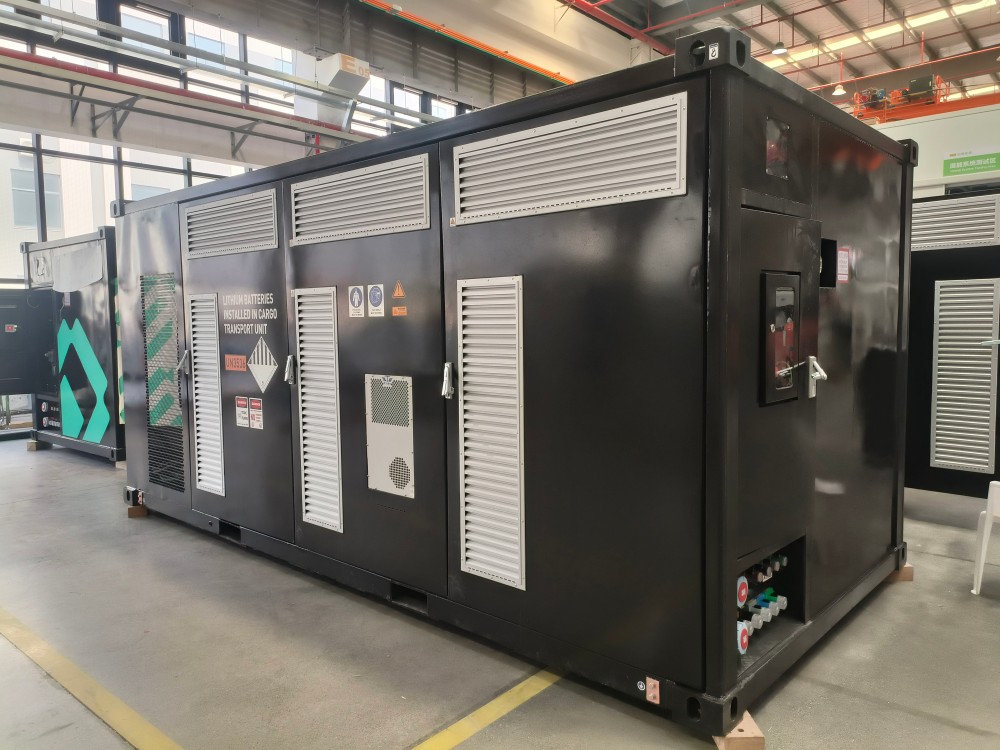
MPMC BCH Series mobile BESS charger — BCH-800-600
Vehicles, Connectors and Simultaneous Use
MPMC lists CCS2 as the standard connector with CCS1, GB/T and CHAdeMO available as options for specific markets, and a DC output voltage range of 50 to 1,000 V on the BCH-275-200 and above. Models from the BCH-275-200 upward carry two DC guns, at 250 A on that model and 350 A on the larger units.
Two guns do not automatically mean two vehicles at full rated output. Whether simultaneous charging holds the rating depends on the model and on each vehicle’s acceptance rate, so the simultaneous-use behaviour should be confirmed on the datasheet rather than inferred from the connector count.
What Happens to Capacity Over the Asset’s Life
A standalone unit is bought for the energy it holds, so the decline of that capacity over time is a direct operational concern rather than a technical footnote. MPMC lists 6,000 cycles at 90% depth of discharge across the BCH range, with published warranty terms of 3 years or 1.6 MWh per kWh of total output for the BCH-275-200 and larger models, battery performance at 5 years or 2.57 MWh per kWh, and end-of-life capacity retention of at least 70%.
For a fleet operator this means the sizing calculation should be run against end-of-life capacity rather than first-year capacity. A unit that just covers the shift today will not cover it in year six, and the throughput allowance rather than the calendar term is usually what binds on a depot cycling daily.
What the Published Deployments Show
MPMC lists a United Kingdom logistics port operation using eight BCH-275-200 units, where a weak local supply had previously produced ten-hour charging cycles for four-hour port runs, with solar pairing removing that constraint. A Norwegian deployment is listed at 2 MWh for remote machinery charging at 500 kW per unit with CCS2 output of 360 kW at 400 A, and a Netherlands installation combines the BCH-275-200 with the BCH-500-1000 for a renewable-powered charging station.
These describe the class of operation supplied rather than a performance guarantee for a different depot, whose achievable throughput follows its own vehicles, energy per round and recharge window.
Independence Checks Before Ordering
• State energy required per vehicle per shift, and how many vehicles share the same window.
• Identify the recharge route explicitly: grid, generator, solar or DC from a fast-charging point.
• Confirm rated DC output from the datasheet rather than from the model number.
• Check unit weight against available handling equipment at every intended position.
• Confirm the connector standard against the vehicles, including any optional type needed.
• Ask whether both guns hold rated output simultaneously on the offered model.
https://www.mpmc-group.com/
MPMC Powertech Corp. -
AuthorPosts

- You must be logged in to reply to this topic.