
- This topic is empty.
-
AuthorPosts
-
2026-11-26 at 5:55 pm #13534
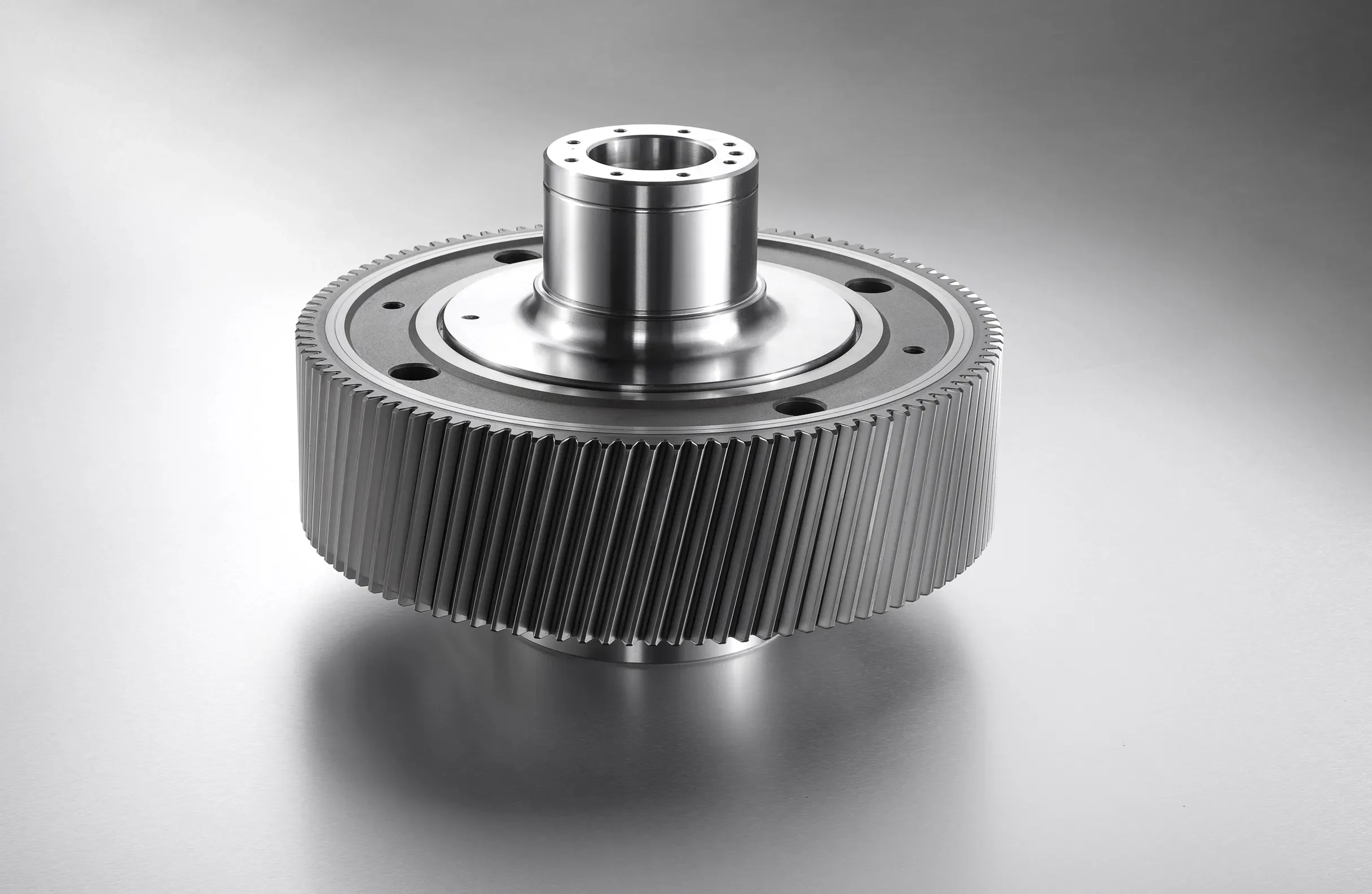
Wind energy is becoming an increasingly important part of the global renewable energy mix. As more countries invest in onshore and offshore wind projects, the performance of individual turbine components is receiving greater attention. Among these components, the wind power output gear plays an important role in power transmission and overall gearbox performance.
For anyone involved in wind turbine manufacturing, equipment maintenance, or component sourcing, understanding how this gear works and what affects its service life is worth exploring. Here are several technical factors to consider, based on the experience and product focus of Tianshan.
How Does a Wind Power Output Gear Work?
A wind turbine captures wind energy through its rotor blades, converting it into mechanical rotation. This rotational movement is transferred through the main shaft to the gearbox, where the gear transmission system adjusts the speed and torque before delivering power to the generator.
The wind power output gear is an important part of this transmission process. In a typical geared wind turbine, the gearbox increases the relatively low rotational speed of the rotor to a level suitable for generator operation.
This speed adjustment allows the generator to operate within its required range and convert mechanical energy into electricity effectively. The gear system must also transmit substantial mechanical loads while maintaining stable operation under changing wind conditions.
For this reason, gear performance is not simply about transmitting power. Load resistance, transmission efficiency, wear control, and long-term operational stability all matter.
What Should Be Considered When Selecting or Designing Wind Power Output Gears?
Several factors influence the performance and reliability of wind turbine gears. Material properties are important, but manufacturing accuracy, lubrication, operating loads, and noise control should also be taken into account.
1. Material Strength and Wear Resistance
Wind turbine gears operate under repeated mechanical loads, often for extended periods. The selected material needs sufficient strength, hardness, and fatigue resistance to withstand continuous operation.
Steel alloys are commonly used in industrial gear manufacturing because they offer the mechanical properties required for demanding transmission applications. Depending on the operating environment and design requirements, additional surface treatments or protective coatings may help improve wear and corrosion resistance.
Material selection should be based on the expected load conditions, gear dimensions, manufacturing requirements, and intended service life rather than strength alone.
2. Lubrication and Temperature Control
Gear teeth are constantly in contact during power transmission, making lubrication essential for reducing friction and limiting surface wear.
A suitable lubrication system helps maintain an effective oil film between contacting surfaces, reducing the risk of excessive friction and heat generation. Lubricants must also retain appropriate performance under the temperature variations and mechanical stresses encountered during turbine operation.
Cooling is another important consideration. If heat cannot be removed effectively, elevated operating temperatures may accelerate lubricant degradation and increase the risk of component damage. Oil circulation and cooling arrangements therefore contribute directly to gearbox reliability.
3. Manufacturing Accuracy and Gear Quality
Even a small deviation in tooth geometry or alignment can affect gear meshing. Poor manufacturing accuracy may result in uneven load distribution, additional friction, vibration, and increased noise.
CNC machining and precision gear-cutting processes help achieve the dimensional accuracy and tooth profiles required for reliable transmission. Quality control during manufacturing is equally important, as it helps identify dimensional deviations and surface defects before the gears are put into service.
For wind turbine manufacturers and gearbox suppliers, consistent manufacturing quality is essential for maintaining predictable transmission performance and reducing maintenance requirements.
4. Noise and Vibration Management
Noise and vibration are also worth considering when evaluating wind power output gears. Improper tooth contact, misalignment, or inadequate lubrication can contribute to increased vibration and transmission noise.
Optimizing gear tooth geometry, maintaining accurate assembly alignment, and using an appropriate lubrication system can help improve meshing performance and reduce unwanted noise.
These considerations are particularly relevant for wind farms located near residential areas, as well as offshore installations where equipment maintenance and inspection can be more challenging.
5. Load Capacity Under Variable Wind Conditions
Wind turbines do not operate under identical conditions at all times. Changes in wind speed can cause fluctuations in rotational speed, torque, and mechanical loading throughout the transmission system.
The output gear must therefore be designed to accommodate the expected operating loads without excessive stress or premature fatigue. Engineers need to consider factors such as torque requirements, load distribution, operating conditions, and potential load variations when determining gear specifications.
Adequate load capacity helps reduce the risk of tooth damage, transmission failure, and unexpected maintenance costs.
Final Thoughts
The wind power output gear is an important component in the mechanical power transmission system of a geared wind turbine. Its performance depends on several interconnected factors, including material selection, lubrication, manufacturing precision, noise control, and load-bearing capacity.
As wind power installations continue to expand, the demand for reliable and efficient gear transmission components will remain important. For turbine manufacturers, gearbox producers, and industrial buyers, paying attention to these technical details can help support better equipment performance and long-term operational reliability.
More information about Tianshan's wind power gear products is available on its official website.
http://www.tianshangear.com
Changzhou Tianshan Heavy Industry Machinery Co., Ltd. -
AuthorPosts

- You must be logged in to reply to this topic.